Key Takeaways
- Musty smells, peeling paint, and ceiling stains are early indicators of a hidden shower leak
- Most shower leaks can be repaired without removing tiles using epoxy regrouting
- Untreated shower leaks can cause structural damage costing $5,000–$20,000+
- Professional epoxy grout repairs start from $500–$900 with a 10-year warranty
Why Early Shower Leak Detection Matters
A leaking shower is one of the most common — and most underestimated — plumbing problems in Australian homes. According to industry data, shower leaks account for more than 60% of all internal waterproofing failures in residential properties across Sydney. The challenge is that many shower leaks are hidden, slowly causing damage behind walls and under floors long before any visible signs appear.
The good news is that most shower leaks give off early warning signs. If you know what to look for, you can catch the problem early, avoid thousands of dollars in unnecessary repairs, and protect your home's structural integrity. In this guide, our experienced team at Sydney Sealed shares the five most common warning signs that your shower is leaking — and exactly what you should do about each one.
Whether you own a home in Bondi, a unit in Parramatta, or a townhouse in Chatswood, understanding these signs could save you from a costly renovation down the track.
1. Musty or Mouldy Smell in the Bathroom
One of the earliest indicators of a shower leak is a persistent musty or mouldy smell that lingers even after thorough cleaning. This odour is caused by moisture trapped behind walls, under tiles, or within the subfloor — areas where airflow is minimal and damp conditions are ideal for mould colonisation.
Mould doesn't just smell unpleasant; it poses a genuine health risk. Prolonged exposure to mould spores can trigger respiratory problems, allergies, and asthma symptoms, particularly in children, the elderly, and those with compromised immune systems. The Australian Department of Health recommends addressing mould problems promptly and identifying the underlying moisture source.
If your bathroom has a persistent musty smell that you can't seem to eliminate, it's a strong signal that water is escaping your shower enclosure. Don't mask the smell with air fresheners — investigate the source. A professional shower leak inspection can pinpoint exactly where moisture is entering and recommend the most effective repair method.
2. Peeling, Bubbling, or Flaking Paint on Adjacent Walls
Paint on walls adjacent to or near your bathroom is one of the first surfaces to show signs of water damage from a shower leak. When water migrates through failed grout, cracked tiles, or a compromised waterproof membrane, it saturates the wall lining from behind, causing paint to:
- Bubble or blister — trapped moisture pushes the paint film away from the substrate
- Peel or flake — prolonged dampness breaks the bond between paint and plaster
- Discolour — watermarks and yellow or brown stains appear on painted surfaces
These signs are particularly common on walls that share a boundary with the shower recess, but they can also appear on walls in hallways, bedrooms, or living areas adjacent to the bathroom — especially in apartments and townhouses where bathrooms share walls with other living spaces.
If you're seeing paint damage near your bathroom, don't just repaint. The underlying moisture problem will destroy the new paint as well. Instead, address the root cause with a proper shower waterproofing repair.
3. Damp or Discoloured Patches on Ceilings Below
If your bathroom is on an upper level, one of the clearest signs of a shower leak is water staining or dampness on the ceiling directly below. This is a common issue in two-storey homes throughout Sydney suburbs like Castle Hill, Strathfield, and Mosman, as well as in multi-level apartment buildings.
Ceiling stains from shower leaks typically appear as:
- Yellow or brown water marks that grow over time
- Damp patches that feel cold or wet to touch
- Sagging or swelling plasterboard
- In severe cases, active dripping or water pooling on the ceiling surface
It's important to note that ceiling stains can sometimes be caused by other sources — a leaking pipe, roof leak, or condensation issue. However, if the stain is located directly below a bathroom, the shower is the most likely culprit. A professional leak detection assessment can confirm the source and determine the best course of action.
In strata buildings, ceiling leaks from upper-level showers are one of the most common sources of disputes between lot owners. Addressing the issue promptly with a professional repair protects both your property and your relationship with neighbours.
4. Loose, Cracked, or Hollow-Sounding Tiles
Your shower tiles should feel solid and firmly bonded to the wall or floor. If tiles feel loose, sound hollow when tapped, or have visible cracks, it's a strong sign that water has penetrated behind them, compromising the adhesive bond and potentially the waterproof membrane beneath.
Common tile-related warning signs include:
- Hollow sound when tapped — indicates the tile has debonded from the substrate
- Visible cracks in tiles — even hairline cracks can allow water through
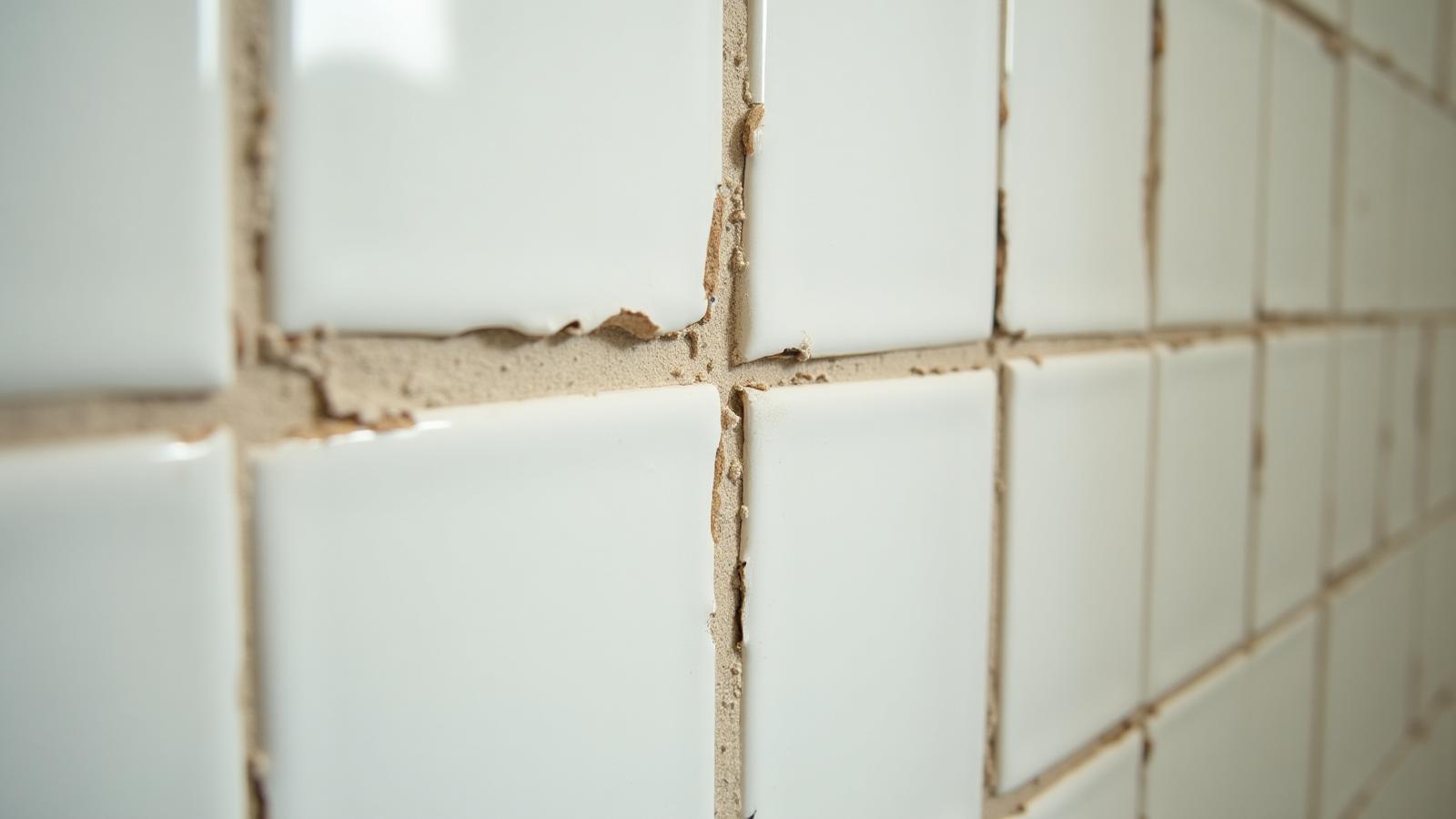
- Crumbling or missing grout — deteriorated grout is the number one cause of shower leaks
- Tiles shifting or moving underfoot — the substrate has likely been damaged by moisture
Traditional cement grout deteriorates over time due to constant water exposure, thermal movement, and cleaning chemicals. As grout breaks down, water finds its way through to the membrane and substrate behind. This is why we recommend premium epoxy grout as a replacement — it's 100% waterproof, flexible, and dramatically more durable than cement-based alternatives.
If your shower tiles are showing these signs, don't delay. The longer water penetrates, the more extensive (and expensive) the repair becomes. Our non-invasive shower repair process can often resolve the problem without removing a single tile.
5. Skirting Board Damage or Warped Flooring Near the Bathroom
Water from a leaking shower doesn't just stay in the bathroom. Over time, it can migrate under walls and into adjacent rooms, damaging skirting boards, timber flooring, and carpet underlay. Signs to watch for include:
- Swollen or warped skirting boards — timber absorbs moisture and expands
- Soft or springy flooring — the subfloor has absorbed water and is deteriorating
- Warped or cupping timber floors — moisture imbalance causes boards to deform
- Musty carpet or damp underlay — water has reached the carpet padding
This type of damage is particularly concerning because it affects structural elements of your home. Replacing damaged flooring and skirting boards can cost thousands of dollars — far more than the cost of repairing the shower leak itself. Homeowners across Sydney from Marrickville to Hornsby have saved significantly by catching shower leaks early.
What Causes Shower Leaks in the First Place?
Understanding the root causes of shower leaks helps you prevent future problems. The most common causes include:
- Deteriorated grout — standard cement grout breaks down within 5–10 years, allowing water to penetrate behind tiles
- Failed waterproof membrane — the membrane beneath your tiles is your primary water barrier. Age, movement, and poor initial installation can cause it to fail
- Cracked tiles — even small cracks provide a pathway for water
- Poor original installation — bathrooms that weren't properly waterproofed are prone to early failure
- Building movement — natural settling and thermal expansion create stress points in grout and membranes
In many Sydney properties — particularly those built before 2000 — waterproofing standards were less rigorous than today's requirements. If your home is more than 15–20 years old and has the original bathroom, it's worth arranging a preventative inspection.
What to Do If You Suspect a Shower Leak
If you've identified one or more of the warning signs above, here's what we recommend:
- Don't ignore it — shower leaks never fix themselves. They only get worse and more expensive over time.
- Arrange a professional inspection — a qualified specialist can determine the source, severity, and best repair method. At Sydney Sealed, we offer free inspections across all Sydney metro areas.
- Get a clear, written quote — understand exactly what work is needed and what it will cost before any work begins.
- Choose the right repair method — in many cases, epoxy grout repair can fix the leak without removing tiles. For more severe membrane failures, a targeted re-waterproofing may be required.
- Insist on a warranty — professional repairs should come with a written warranty. We provide a 10-year warranty on all shower leak repairs.
We service all major Sydney suburbs including Ryde, Hurstville, Epping, Burwood, and Randwick. Wherever you are in Sydney, we can help.
Prevention Tips: How to Protect Your Shower from Future Leaks
Once your shower has been repaired, or if you want to prevent leaks from developing in the first place, follow these maintenance tips:
- Inspect grout regularly — check shower grout every 6 months for cracks, gaps, or deterioration
- Use a squeegee after showering — removing excess water reduces moisture load on grout and seals
- Ensure adequate ventilation — use an exhaust fan during and after every shower to reduce humidity
- Re-seal silicone joints annually — silicone around shower bases, screens, and fixtures should be inspected and replaced as needed
- Consider upgrading to epoxy grout — if you're renovating or regrouting, epoxy grout offers dramatically superior waterproofing compared to cement grout
Taking these simple steps can extend the life of your shower waterproofing by many years and help you avoid the disruption and expense of leak repairs.
People Also Ask
Peter Kim
Lead Technician — Leak Repair Specialist
Over 15 years of experience in shower and balcony waterproofing solutions across Greater Sydney.