Key Takeaways
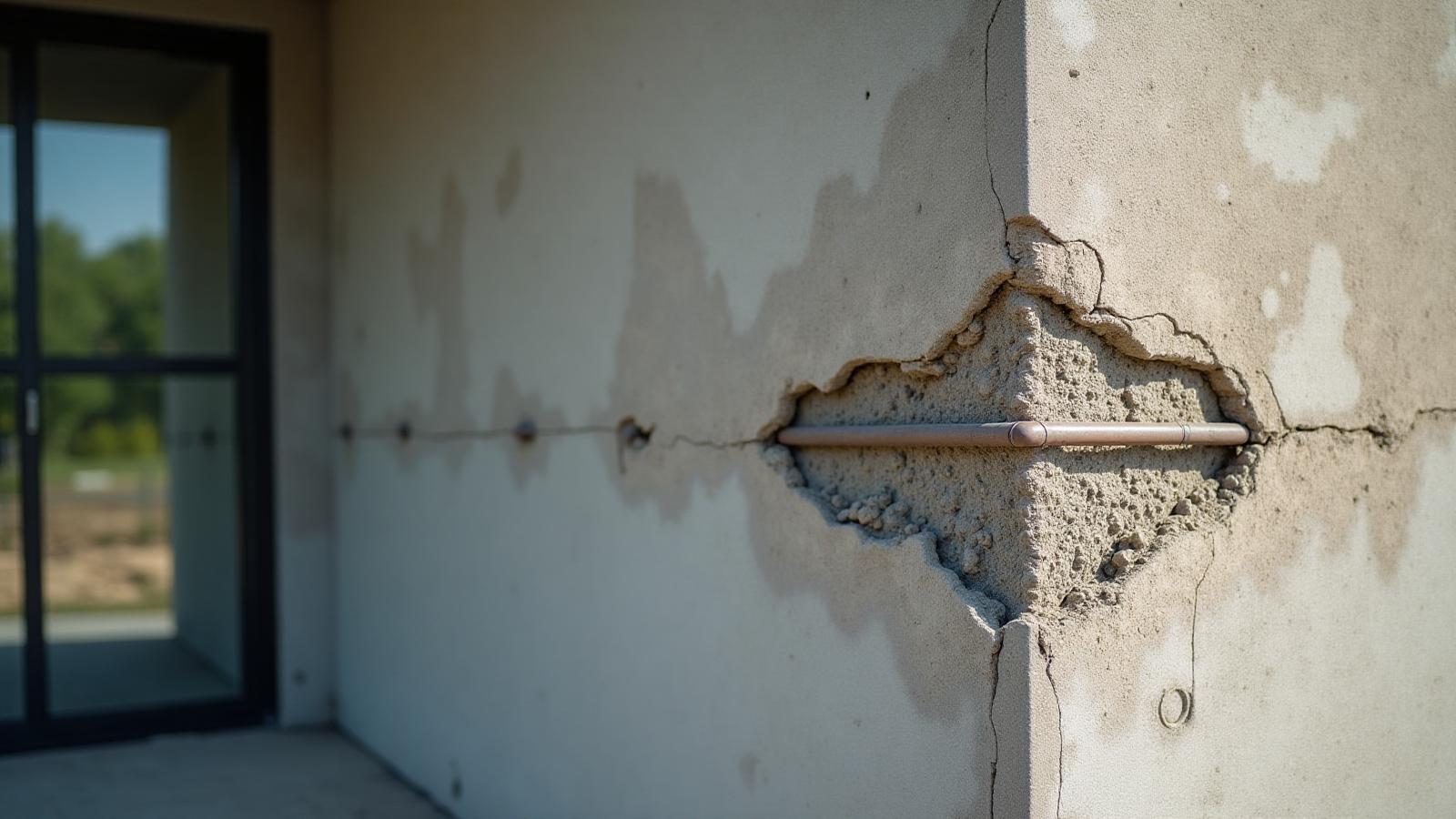
- Spalling is caused by corroding steel reinforcement expanding inside the concrete
- Early waterproofing maintenance prevents costly spalling repairs ($5,000–$50,000+)
- Sydney's coastal salt air accelerates concrete degradation in balconies and facades
- Regular inspections and protective coatings are the most cost-effective prevention strategy
Understanding Concrete Degradation: A Growing Problem in Sydney
Concrete degradation — commonly known as spalling or concrete cancer — is one of the most serious structural issues affecting buildings across Sydney. From ageing apartment blocks in Bondi to modern high-rises in Parramatta, concrete degradation poses a significant risk to building safety, property values, and long-term maintenance budgets.
Sydney's unique combination of coastal salt air, high humidity, temperature extremes, and UV radiation creates an environment that accelerates concrete deterioration. Properties within 5 kilometres of the coast are particularly vulnerable, but buildings throughout all Sydney suburbs can be affected.
In this comprehensive guide, we explain what causes concrete degradation, how to identify it early, and the most effective strategies to prevent it — potentially saving your building tens of thousands of dollars in avoidable structural repairs.
What Causes Concrete Degradation?
Concrete is incredibly strong in compression, but it has a critical vulnerability: water penetration. When water infiltrates concrete — through cracks, failed waterproofing, or porous surfaces — it triggers a chain reaction of deterioration:
1. Carbonation: Carbon dioxide from the atmosphere reacts with calcium hydroxide in the concrete, reducing its alkalinity. In a healthy state, concrete's high pH (around 12–13) forms a protective passive layer around the steel reinforcement. As carbonation advances, this protection is lost.
2. Chloride ingress: In coastal areas like Cronulla, Manly, and Mosman, salt-laden air carries chloride ions that penetrate concrete and attack the reinforcing steel directly.
3. Reinforcement corrosion: Once the passive layer is compromised — whether by carbonation or chloride attack — the steel reinforcement begins to rust. Rust occupies approximately 6 times the volume of the original steel, creating enormous internal pressure within the concrete.
4. Concrete cracking and spalling: The expanding rust forces concrete to crack and eventually break away in chunks — this is the visible spalling that most people recognise. By the time spalling is visible, significant corrosion has already occurred.
5. Accelerated deterioration: Each crack and spalled area exposes more concrete and reinforcement to moisture, creating a self-accelerating cycle of damage.
The Role of Waterproofing in Preventing Concrete Degradation
The single most effective strategy for preventing concrete degradation is maintaining effective waterproofing. This is particularly important for horizontal surfaces that collect water — primarily balconies, roof decks, and podium levels.
A properly functioning waterproof membrane prevents water from entering the concrete substrate, stopping the degradation process before it starts. Conversely, a failed membrane allows water to penetrate continuously, dramatically accelerating corrosion and spalling.
Common waterproofing failure points include:
- Deteriorated grout on tiled balconies — cracked or missing grout allows water through to the membrane and substrate
- Failed or aged membranes — membranes have a finite lifespan and degrade with UV exposure and thermal cycling
- Poor drainage — standing water on balconies and decks places constant hydrostatic pressure on the waterproofing system
- Cracked tiles — even hairline cracks allow water to penetrate beneath the tiled surface
- Failed perimeter seals — where the balcony meets the building, sealant failure allows water entry at the most vulnerable point
If you're a strata manager or building owner, regular waterproofing inspections should be a top maintenance priority. The cost of preventative waterproofing maintenance is a fraction of the cost of spalling remediation.
Early Warning Signs of Concrete Degradation
Early detection is critical. The sooner concrete degradation is identified, the less expensive and disruptive the repair. Watch for these warning signs:
- Surface cracking — fine cracks on concrete surfaces, particularly around edges and corners
- Rust staining — brown or orange stains on concrete surfaces indicate corroding reinforcement beneath
- Hollow sounds — when tapped, degraded concrete sounds hollow rather than solid
- Flaking or chipping concrete — surface concrete breaking away, often at edges
- Exposed reinforcement — in advanced cases, corroded steel bars become visible
- Water stains on ceilings below balconies — indicates the balcony membrane has failed
- Efflorescence — white mineral deposits on concrete surfaces caused by water migration
- Swelling or delamination — concrete surfaces that appear raised or separated from the substrate
Buildings across Sydney — from heritage terraces in Marrickville to modern towers in Chatswood and Epping — can show these signs. Regular building inspections by qualified professionals can catch these symptoms early.
Prevention Strategies for Building Owners and Strata Managers
Preventing concrete degradation requires a proactive approach. Here are the most effective strategies:
1. Maintain waterproofing systems: Ensure all balcony, roof, and podium waterproofing is in good condition. Professional balcony leak repairs should be carried out at the first sign of water penetration. Don't wait for visible spalling — by that point, significant damage has already occurred.
2. Regular grout maintenance: On tiled balconies, grout is the first line of defence. Cracked or deteriorated grout should be replaced promptly. Consider upgrading to epoxy grout for superior, long-lasting waterproof protection.
3. Ensure proper drainage: Balconies and decks should have adequate fall (minimum 1:100) to prevent water ponding. Blocked or inadequate drains should be cleared and upgraded as needed.
4. Apply protective coatings: Exposed concrete surfaces can be protected with penetrating sealers or waterproof coatings that prevent moisture and chloride ingress while allowing the concrete to breathe.
5. Schedule regular inspections: Building inspections should include concrete condition assessments, particularly for elements over 15 years old. Strata committees should include concrete inspection in their 10-year capital works planning.
6. Address issues promptly: The single most important prevention strategy is to act quickly when problems are identified. Early-stage repairs are dramatically less expensive than remediation of advanced degradation.
Professional Repair Methods for Concrete Degradation
When concrete degradation has already begun, professional repair is essential. The typical repair process involves:
- Assessment and diagnosis — determining the extent and cause of degradation through visual inspection, hammer testing, and potentially core sampling or cover meter surveys
- Concrete removal — all loose, delaminated, and carbonated concrete is removed to expose sound material and corroded reinforcement
- Reinforcement treatment — corroded steel is cleaned by mechanical means (grinding or grit blasting) and treated with a specialist rust inhibitor and bonding agent
- Concrete repair — high-performance repair mortar is applied to restore the original concrete profile. This mortar is specifically formulated to bond to existing concrete and protect the reinforcement
- Waterproofing — a new waterproof membrane or coating is applied to prevent future water ingress
- Surface protection — anti-carbonation coatings or protective sealers are applied to slow future carbonation and extend the repair's lifespan
For balcony repairs, this process is often combined with membrane restoration and re-tiling or re-sealing to create a comprehensive waterproofing solution. Properties across Hurstville, Burwood, Strathfield, and throughout Sydney benefit from this integrated approach.
The True Cost of Ignoring Concrete Degradation
Delaying concrete degradation repairs is one of the most expensive decisions a building owner or strata committee can make. Consider this typical cost progression:
- Year 1 (early signs): Preventative waterproofing repair — $2,000–$5,000
- Year 3 (minor spalling): Localised concrete repair and re-waterproofing — $5,000–$15,000
- Year 5 (moderate spalling): Structural concrete remediation — $20,000–$50,000
- Year 7+ (severe degradation): Major structural repair or element replacement — $50,000–$200,000+
The numbers speak for themselves. A $3,000 waterproofing repair in year one can prevent a $100,000+ structural remediation in year seven. For strata buildings, these costs are shared among lot owners through special levies — making early intervention not just structurally sensible but financially responsible.
If you've noticed any signs of concrete degradation in your building — whether it's rust staining on a balcony in Castle Hill or cracking concrete in Hornsby — arrange a professional assessment as soon as possible. Contact Sydney Sealed for expert advice and a comprehensive repair quote.
People Also Ask
Peter Kim
Lead Technician — Leak Repair Specialist
Over 15 years of experience in shower and balcony waterproofing solutions across Greater Sydney.