Key Takeaways
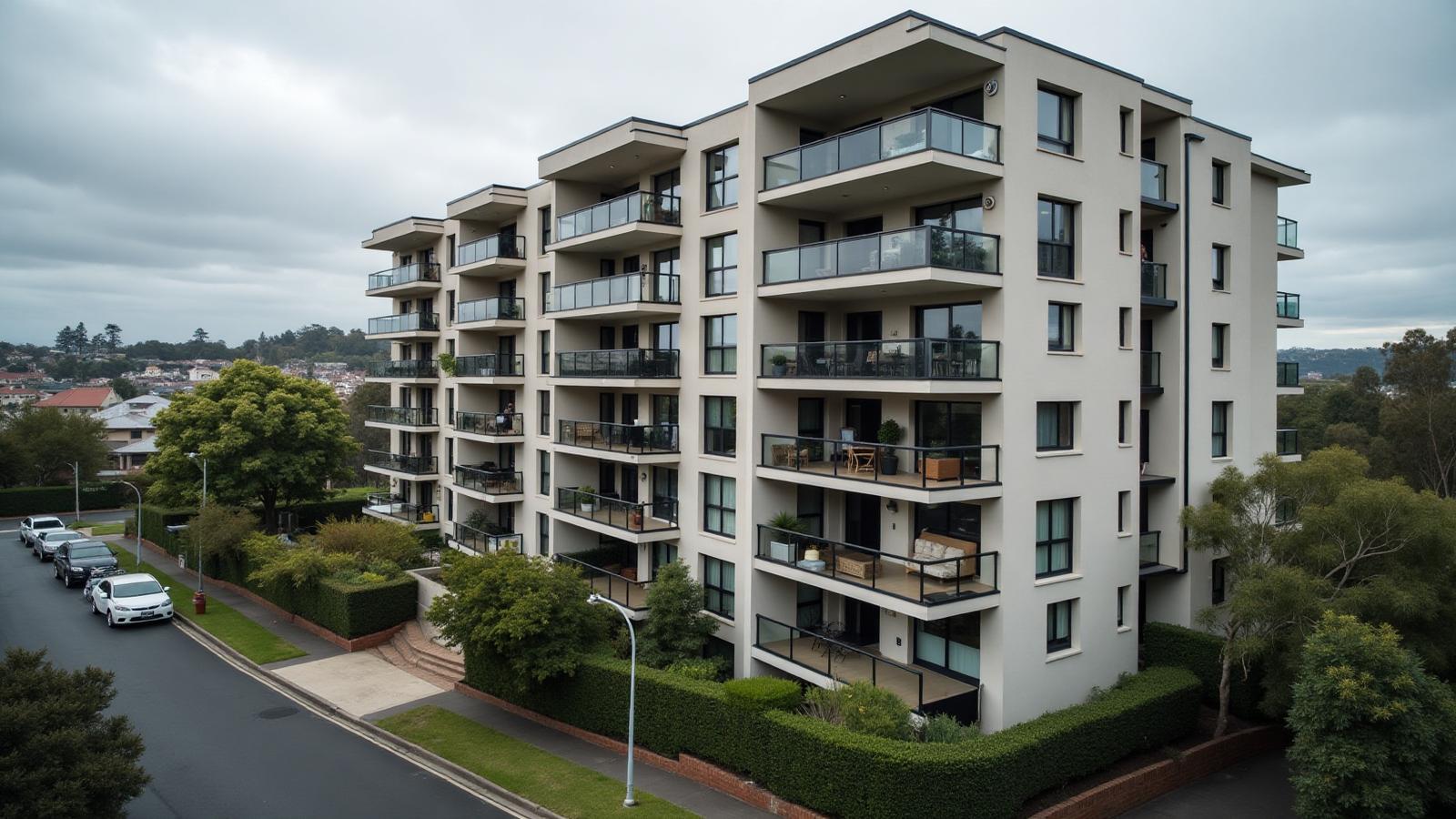
- Strata committees are responsible for waterproofing common property including shared balconies and roof areas
- A planned waterproofing maintenance program prevents emergency special levies
- Shower leaks in individual units can cause damage to common property and neighbouring lots
- Professional strata waterproofing documentation protects committees from liability
Why Waterproofing Is a Critical Priority for Strata Managers
Waterproofing failures are consistently ranked among the top three maintenance issues in Australian strata buildings. For property managers and strata committees across Sydney — from high-density towers in Chatswood and Parramatta to walk-up units in Marrickville and Randwick — managing waterproofing effectively is essential to protecting building value, maintaining livability, and avoiding costly disputes.
At Sydney Sealed, we work with strata managers and committees throughout Sydney, providing specialist leak repair and waterproofing services tailored to the unique needs of multi-unit buildings. In this comprehensive guide, we share our practical insights on waterproofing maintenance, common problems, compliance requirements, and cost-effective repair strategies.
The Most Common Waterproofing Problems in Strata Buildings
Understanding the most prevalent waterproofing issues helps strata managers prioritise inspections and maintenance. Based on our extensive experience across Sydney strata buildings, these are the most common problems:
1. Shower leaks between lots: This is by far the most common waterproofing issue in strata buildings. A leaking shower in an upper-level unit causes water stains, mould, and damage in the unit below. These situations often cause friction between neighbours and require clear, professional resolution.
2. Balcony membrane failure: Balcony waterproofing membranes have a finite lifespan — typically 15–25 years depending on the membrane type and exposure conditions. As membranes age, they lose flexibility and develop cracks, allowing water to penetrate into the concrete substrate and the spaces below.
3. Planter box leaks: Built-in planter boxes on balconies and common areas are notorious for waterproofing failures. The combination of constant moisture from irrigation, root penetration, and soil acidity creates aggressive conditions that challenge even well-installed membranes.
4. Common area wet area failures: Pool areas, gymnasiums, laundries, and common bathrooms in strata buildings are subject to heavy use and often have waterproofing that has exceeded its design life.
5. Facade and window leaks: While not strictly waterproofing in the traditional sense, water ingress through building facades, window frames, and balustrade connections is a significant issue in many strata buildings, particularly those exposed to wind-driven rain.
Creating a Proactive Waterproofing Maintenance Plan
The most effective approach to waterproofing management in strata buildings is proactive rather than reactive. A structured maintenance plan should include:
Annual visual inspections:
- Check all balconies for cracked or missing grout, loose tiles, standing water, and drainage blockages
- Inspect ceilings below balconies for water stains or dampness
- Review common area wet areas for grout deterioration and signs of water escape
- Check perimeter seals at balcony-to-wall junctions
- Document all findings with photos and location references
3–5 yearly professional inspections:
- Engage qualified waterproofing specialists to assess membrane condition
- Perform moisture testing on balcony substrates
- Review the condition of expansion joints and control joints
- Assess concrete condition for signs of degradation or spalling
- Provide a prioritised remediation schedule with cost estimates
10-year capital works planning:
- Include waterproofing lifecycle replacement in the capital works fund
- Budget for balcony membrane replacement based on age and condition
- Plan for common area wet area refurbishment
- Allow contingency for emergency leak repairs
Compliance Requirements: Industry Standards and the NCC
All waterproofing work in strata buildings must comply with relevant industry standards and the National Construction Code (NCC). Key areas of compliance include:
Domestic wet area waterproofing: Standards specify requirements for waterproofing in bathrooms, showers, laundries, and other wet areas. This covers membrane selection, application methods, termination heights, and testing requirements. Any shower waterproofing repair must meet these professional standards.
External waterproofing membranes: Standards for balcony waterproofing, roof decks, and podium levels specify membrane types, installation requirements, drainage provisions, and quality assurance testing.
National Construction Code (NCC): The NCC sets performance requirements for waterproofing in all building classes. Compliance with the NCC is a legal requirement for all building work, including repair and maintenance.
For strata managers, ensuring compliance serves multiple purposes: it protects the building and its occupants, satisfies regulatory requirements, supports insurance claims, and provides documentation for future reference. We always provide compliance documentation with our strata waterproofing services.
Cost-Effective Repair Strategies for Strata Buildings
Budget management is a constant challenge for strata committees. Here are strategies to maximise the value of your waterproofing maintenance spend:
1. Prioritise by risk: Not all waterproofing issues carry the same risk. Focus first on areas where failure will cause the most damage — typically balconies over habitable spaces, showers over lower-level units, and any area where concrete degradation is evident.
2. Use non-invasive repair methods: Where possible, opt for repair methods that don't require tile removal or demolition. Epoxy grout repair for showers and balconies can resolve many waterproofing failures without the cost and disruption of full re-waterproofing.
3. Bundle repairs: Coordinate waterproofing repairs across multiple units or balconies to achieve economies of scale. Mobilisation costs, access equipment, and materials are all more efficient when spread across multiple repairs.
4. Invest in quality materials: Premium repair materials (such as epoxy grout and high-performance membranes) cost more upfront but provide significantly longer service life, reducing the frequency of future repairs.
5. Document everything: Comprehensive documentation of all waterproofing work — including inspection reports, repair specifications, compliance certificates, and warranties — protects the owners corporation and supports future maintenance planning.
We offer volume pricing for strata buildings with multiple units requiring repair, along with priority scheduling and dedicated project management for strata committees throughout Ryde, Hurstville, Epping, Burwood, and all Sydney metro areas.
Handling Leak Disputes in Strata Buildings
Leak disputes between lot owners are among the most contentious issues in strata management. A structured approach to resolution saves time, money, and relationships:
Step 1: Professional leak investigation. Before assigning responsibility, engage a qualified specialist to determine the leak source objectively. Our inspection reports include detailed findings, photographic evidence, and clear identification of the leak origin — providing an impartial basis for resolution.
Step 2: Determine responsibility. Once the source is identified, review the strata plan and the Strata Schemes Management Act 2015 to determine whether the repair is the responsibility of the owners corporation (common property) or an individual lot owner.
Step 3: Obtain repair quotes. Get professional quotes for the required repair work. Transparent, itemised quotes help all parties understand the scope and cost of remediation.
Step 4: Execute repairs promptly. Once responsibility is established and funding is arranged, carry out repairs without delay. Prolonged leak disputes cause ongoing damage and increased repair costs for all parties.
Our team has extensive experience working with strata managers, committees, and lot owners to resolve leak disputes efficiently and fairly. Contact us for expert, impartial leak investigation services.
Choosing the Right Waterproofing Contractor for Strata Work
Not all waterproofing contractors are suited to strata work. When selecting a contractor for your building, look for:
- Strata experience — understanding the unique requirements of multi-unit buildings, including access logistics, resident communication, and compliance documentation
- Appropriate licensing — ensure the contractor holds the necessary licences for the work (in NSW, waterproofing work requires a licence from NSW Fair Trading)
- Insurance — comprehensive public liability and professional indemnity insurance is essential for work in strata buildings
- Written warranties — insist on workmanship warranties that are backed by the contractor's ongoing business
- Reference projects — ask for references from other strata buildings where the contractor has completed similar work
- Clear communication — strata work requires coordination with building managers, residents, and committees. Choose a contractor who communicates clearly and professionally
At Sydney Sealed, we specialise in strata waterproofing services across Sydney. From shower leak repairs in individual units to comprehensive balcony waterproofing programs for entire buildings, we provide the expertise, documentation, and professionalism that strata managers and committees require. Servicing buildings in Bankstown, Liverpool, Penrith, Blacktown, and all Sydney suburbs.
People Also Ask
Peter Kim
Lead Technician — Leak Repair Specialist
Over 15 years of experience in shower and balcony waterproofing solutions across Greater Sydney.