Key Takeaways
- Balcony membrane repairs address the waterproof barrier beneath tiles that prevents water entering the structure
- Localised membrane patches can fix small areas without full tile removal
- Extensive membrane failure requires full strip-and-replace, typically costing $5,000–$15,000+
- Preventative maintenance and proper drainage are the best ways to extend membrane life
When Balcony Membrane Repair Is Needed
Your balcony's waterproof membrane is its primary defence against water penetration. When this membrane fails, water migrates into the concrete slab, causing corrosion of steel reinforcement, concrete degradation (spalling), and damage to the spaces below.
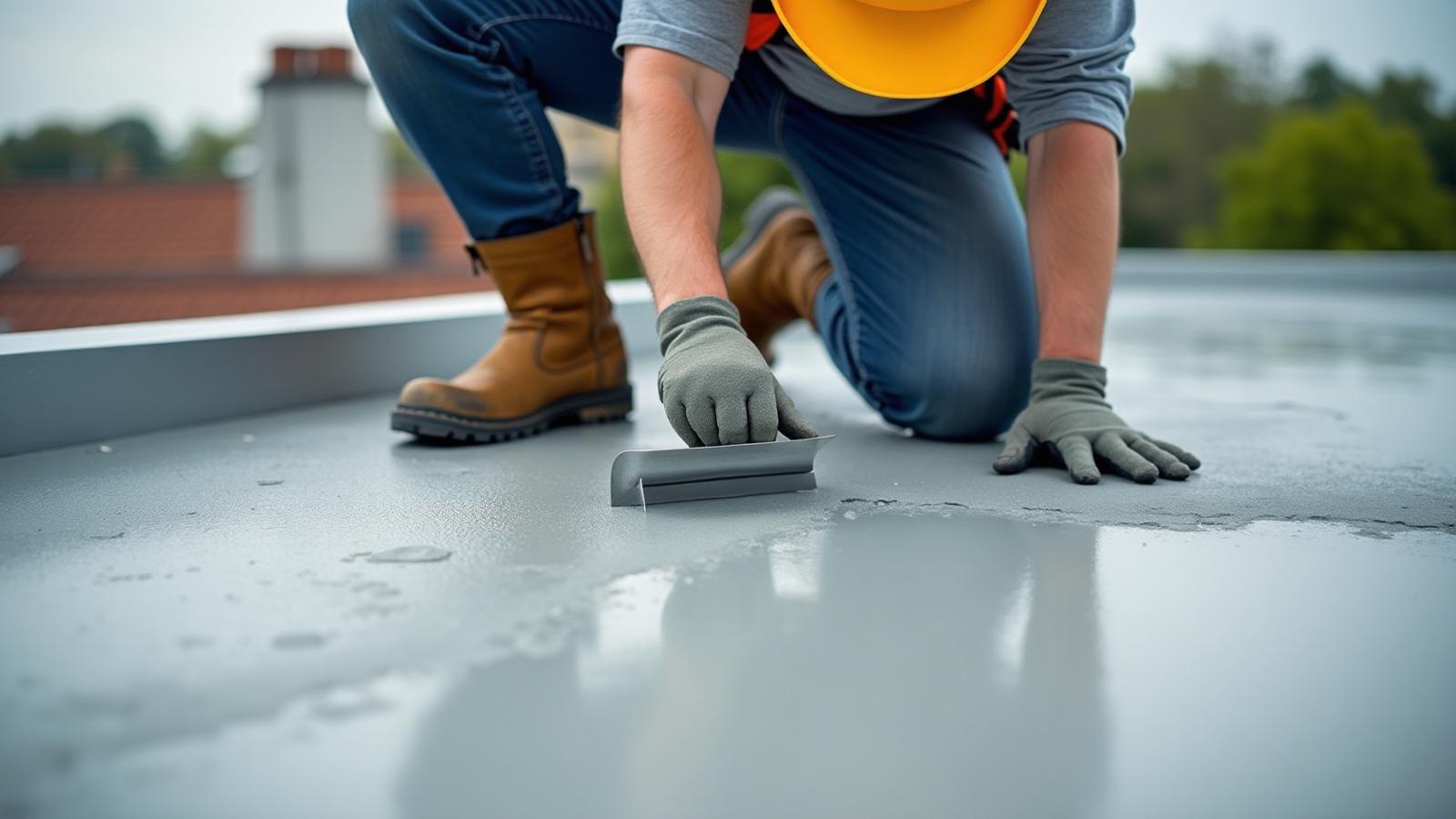
Balcony membrane repair is needed when you observe water staining on the ceiling below the balcony, efflorescence on concrete surfaces, active leaking during or after rain, or confirmed membrane failure through professional leak detection testing.
Across Sydney — from harbourside apartments in Kirribilli and Neutral Bay to suburban properties in Bankstown and Kogarah — we regularly perform balcony membrane repairs that restore waterproofing and prevent further structural damage.
Understanding Why Balcony Membranes Fail
Balcony membranes face tougher conditions than internal wet area membranes, which is why they tend to fail sooner:
UV degradation: Sydney's extreme UV levels break down membrane polymers over time, causing them to become brittle and crack. Membranes beneath tiles are partially protected, but UV can still reach the membrane through cracks in grout or at exposed edges.
Thermal stress: Balcony surfaces can swing from near-freezing overnight temperatures to 60°C+ on a summer afternoon. This constant expansion and contraction creates enormous stress on membrane materials, particularly at junctions and corners where different surfaces meet.
Age: Most external membranes have a design life of 10–15 years. Many Sydney buildings constructed in the 1990s and early 2000s are now at or beyond this age, meaning membrane failure is a matter of "when" not "if".
Water loading: Failed grout allows large volumes of water to sit directly on the membrane during and after rain. This sustained hydrostatic pressure accelerates membrane degradation, particularly at weak points.
Poor original installation: Common defects include insufficient membrane thickness, inadequate junction treatment (wall-to-slab connections), and membranes that don't extend properly into drains or under door thresholds.
Understanding these failure mechanisms helps you appreciate why professional repair — with the right materials and techniques — is essential for a lasting result.
The Repair Process Step by Step
Professional balcony membrane repair follows a systematic approach:
- Inspection and diagnosis — confirming the leak source, extent of damage, and condition of the concrete substrate
- Tile and screed removal — removing existing tiles and screed layer to expose the structural slab
- Concrete assessment and repair — identifying and repairing any spalling, cracks, or reinforcement corrosion. Corroded reinforcement is treated with rust inhibitor, and damaged concrete is restored with repair mortar.
- Surface preparation — grinding, cleaning, and priming the slab surface to ensure optimal membrane adhesion
- Membrane application — applying the chosen waterproofing system (typically liquid polyurethane for residential balconies) in multiple coats with reinforcement at all junctions and penetrations
- Protection layer — installing a screed or drainage mat over the cured membrane to protect it during tiling and from future mechanical damage
- Re-tiling — replacing tiles with external-grade adhesive and flexible grout, ensuring correct falls to drainage
- Final inspection and handover — confirming waterproof integrity and providing warranty documentation
Concrete Repair: A Critical Component
In many balcony membrane repairs, the concrete substrate beneath the old membrane requires attention. Ignoring concrete damage and simply applying a new membrane over compromised concrete is a recipe for premature failure.
Common concrete issues found during membrane repair:
- Spalling — concrete that has flaked or broken away, usually due to corroded reinforcement expanding within the slab
- Reinforcement corrosion — steel bars within the concrete that have corroded, creating rust stains and expansive pressure
- Carbonation — a chemical process where atmospheric CO₂ reduces the concrete's alkalinity, removing the natural corrosion protection for embedded steel
- Cracking — structural or shrinkage cracks that provide water pathways and indicate stress within the slab
The repair process:
- Remove all loose, damaged, or delaminated concrete back to sound material
- Clean corroded reinforcement to bright metal
- Apply corrosion inhibitor to the reinforcement
- Build up the concrete profile using repair mortar matched to the slab strength
- Allow adequate curing before membrane application
For extensive spalling, a structural engineer's assessment may be recommended to confirm the slab's load-bearing capacity. Read our guide on concrete degradation prevention for more information.
Repair vs Replacement: Making the Right Decision
Not every membrane issue requires full replacement:
Repair is suitable when: Failure is localised to a specific area (e.g., at a drain, junction, or crack), the majority of the existing membrane is intact, and the concrete substrate is in good condition.
Full replacement is needed when: Failure is widespread across the balcony, the existing membrane has reached end-of-life, significant concrete damage needs structural repair, or the original membrane was non-compliant.
The decision should always be based on professional inspection and testing, not guesswork. A localised repair costs $2,000–$3,000, while full replacement costs $5,000–$8,000+ — but choosing repair when replacement is needed wastes money and extends the problem.
Strata Approval and Documentation
Balcony membrane repair in strata buildings requires careful navigation of approval processes:
Determining responsibility: Review your strata plan to determine whether the balcony waterproofing is classified as common property or individual lot property. This determines who pays for the repair.
Committee approval: Most by-laws require written approval from the owners corporation before waterproofing work begins. This typically involves presenting an inspection report, scope of works, and quotation at a committee meeting or general meeting.
Documentation we provide:
- Detailed inspection report with photographs and findings
- Scope of works specification
- Itemised quotation
- Material specifications and compliance documentation
- Completion certificate and warranty
This documentation satisfies most strata committee requirements and provides a complete record for the building's maintenance files. We regularly work with strata managers across Sydney and understand the specific requirements of multi-unit projects.
Choosing the Right Specialist
Balcony membrane repair requires specialist skills that go beyond general tiling or building maintenance. When choosing a contractor, look for:
- Specific waterproofing experience — not just general tiling or building work
- Leak detection capability — the contractor should diagnose before prescribing
- Knowledge of membrane systems — understanding different systems and their suitability for your situation
- Concrete repair experience — many membrane repairs also require concrete restoration
- Standards compliance — external waterproofing must meet professional industry standards
- Written 10-year warranty — covering materials and workmanship
- Current insurance — public liability is essential for external work, especially at height
Visit our balcony repair service page or read our complete guide to leak repairs for more detailed information. Contact us for a free inspection across all Sydney suburbs.
People Also Ask
Peter Kim
Lead Technician — Leak Repair Specialist
Over 15 years of experience in shower and balcony waterproofing solutions across Greater Sydney.