Key Takeaways
- Waterproof membranes fail due to age, building movement, poor installation, or chemical exposure
- Membrane failure is the most serious type of shower or balcony leak — it means the primary water barrier is compromised
- Signs of membrane failure include water appearing far from the shower or on lower levels
- Membrane repairs require professional assessment to determine whether patching or full replacement is needed
Understanding Waterproof Membrane Failure
The waterproof membrane is arguably the most critical — yet completely invisible — component of any wet area in your home. Sitting beneath your tiles, this thin layer of specialised material is your property's primary defence against water penetration. When it fails, the consequences can be extensive and expensive.
At Sydney Sealed, membrane failure is one of the most common issues we diagnose across Sydney properties. From ageing apartments in Surry Hills to family homes in Ryde, understanding membrane failure helps you act quickly and choose the right repair approach.
In this comprehensive guide, we explain what membranes do, how to spot failure, why they fail, and what your professional repair options are — helping you make informed decisions that protect your property and your wallet.
What Does a Waterproof Membrane Do?
A waterproof membrane creates a continuous, impermeable barrier between the tiled surface of your wet area and the building structure beneath. In showers, it prevents water from reaching timber framing, plasterboard, and the building's structural elements. On balconies, it stops water from penetrating the concrete slab and causing corrosion of steel reinforcement.
Professional standards require waterproof membranes in all wet areas — both internal (showers, bathrooms, laundries) and external (balconies, terraces, podium decks).
The membrane must form a continuous, unbroken barrier across all surfaces that may be exposed to water — including walls (to minimum specified heights), floors, corners, junctions, and around all penetrations such as taps, drains, and pipes. Any gap, tear, or weakness in this barrier allows water to escape into the building structure.
For detailed information on these requirements, read our guide on bathroom waterproofing standards.
Types of Waterproof Membranes Used in Australian Homes
Different membrane types are used for different applications:
- Liquid-applied membranes — the most common type for residential showers. Applied by brush or roller in two or more coats, they cure to form a seamless, flexible barrier. Brands like Ardex, Davco, and Sika are widely used in Australia.
- Sheet membranes — pre-formed sheets that are adhered or welded to the substrate. Common in commercial applications and provide very consistent thickness.
- Torch-on bituminous membranes — modified bitumen sheets heat-welded to concrete substrates. Widely used on external balconies and rooftop terraces for maximum durability.
- Polyurethane membranes — high-performance liquid membranes with excellent UV resistance. Ideal for exposed balconies and podium decks.
Each type has specific advantages and limitations. The right choice depends on the application (internal vs external), substrate type, building movement expectations, and budget. A qualified waterproofing specialist can recommend the optimal system for your specific situation.
For a detailed comparison of membrane systems for balconies, read our guide on balcony waterproofing systems explained.
Signs of Waterproof Membrane Failure
Membrane failure often goes undetected for months or years because the membrane is hidden beneath tiles. Watch for these indicators:
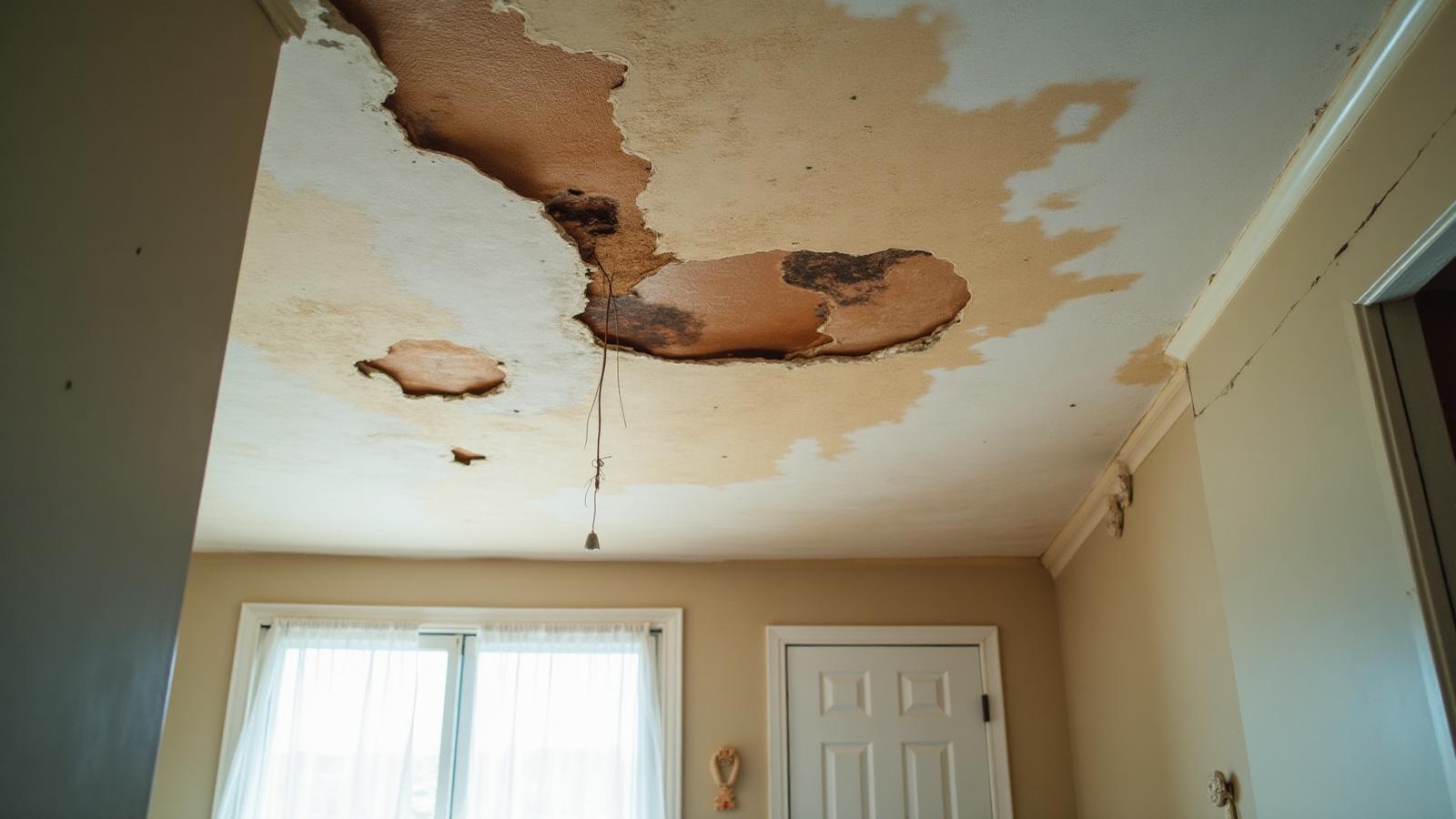
- Water stains on ceilings below — the most obvious sign, particularly in two-storey homes and apartments
- Persistent musty odour — moisture trapped behind walls or beneath floors promotes mould growth
- Efflorescence — white salt deposits on concrete or masonry surfaces indicate water migration
- Peeling or bubbling paint — on walls adjacent to or below the wet area
- Hollow-sounding tiles — moisture has compromised the tile adhesive bond
- Visible mould — especially in corners, at wall-floor junctions, and around fixtures
- Damp or soft flooring — near the wet area indicates water has migrated beyond the membrane boundaries
If you recognise these signs, read our detailed article on 5 warning signs your shower is leaking and arrange a professional inspection.
What Causes Membrane Failure?
Understanding the causes helps with both prevention and choosing the right repair approach:
Age and Material Degradation
All membranes have a finite lifespan. Internal membranes typically last 15–25 years; external membranes 10–15 years. Properties built in the 1990s and earlier are entering the period where original membranes are reaching end-of-life.
Poor Original Installation
The most common cause of premature failure. Issues include insufficient membrane thickness (too few coats), inadequate coverage at corners and junctions, poor surface preparation reducing adhesion, membrane not extending high enough on walls, and improper treatment around penetrations (taps, drains, pipes).
Building Movement
All buildings move due to thermal expansion, wind loading, and ground settlement. If the membrane lacks sufficient flexibility or movement joints are absent, these stresses create tears and cracks in the membrane.
Water Migration Through Failed Grout
When cement grout deteriorates, water passes through and sits on the membrane surface continuously. This accelerates chemical degradation of the membrane material, particularly at vulnerable junctions and corners.
The Hidden Health Risks of Membrane Failure
Beyond structural damage, membrane failure creates serious health risks that many homeowners don't consider:
Mould growth: Persistent moisture behind walls and under floors creates ideal conditions for black mould (Stachybotrys chartarum) and other toxic mould species. Prolonged exposure causes respiratory problems, allergic reactions, chronic fatigue, and can aggravate asthma — particularly dangerous for children, the elderly, and immunocompromised individuals.
Indoor air quality: Even before visible mould appears, moisture from membrane failure releases volatile organic compounds (VOCs) and creates a damp environment that degrades indoor air quality. The Australian Building Codes Board recognises the link between building moisture and occupant health outcomes.
Dust mite proliferation: Elevated moisture levels encourage dust mite populations, a major allergen source. Research shows that maintaining relative humidity below 50% significantly reduces dust mite activity — impossible when hidden moisture sources exist behind walls.
These health risks add urgency to addressing membrane failure. It's not just about protecting your building — it's about protecting your family's health.
How Professionals Diagnose Membrane Failure
Accurate diagnosis is essential before committing to costly repairs. Professional diagnosis typically involves:
Visual inspection: An experienced specialist can identify many indicators of membrane failure through careful examination of the wet area, adjacent rooms, and the level below.
Flood testing: The definitive test for membrane integrity. The drain is blocked, the shower or balcony is filled with water (typically 25–50mm), and the area below is monitored over 24 hours for any signs of water penetration. If water appears below, the membrane has failed.
Moisture meter testing: Calibrated moisture meters (both pin-type and non-invasive) measure moisture levels in walls, floors, and substrates surrounding the wet area. Elevated readings indicate moisture migration from the wet area.
Thermal imaging: Infrared cameras detect temperature variations caused by moisture, revealing wet areas behind walls and under floors that are invisible to the naked eye. This is particularly valuable for mapping the extent of water damage.
Our DIY leak detection guide covers some basic tests you can perform yourself, but professional diagnosis with specialised equipment provides the accuracy needed for confident repair decisions.
Professional Repair Solutions
Membrane repairs require professional expertise. Here are the common approaches:
Epoxy Regrouting (Grout-Level Repair)
If the membrane has minor issues but is largely intact, epoxy regrouting can create a waterproof barrier at the grout level, preventing water from reaching the membrane. This is the least invasive and most affordable option.
Targeted Membrane Repair
When failure is localised (e.g., at a specific junction or penetration), selective tile removal allows access to repair the membrane in the affected area without a full strip-out.
Full Membrane Replacement
For widespread membrane failure, complete tile removal and membrane replacement is the most thorough solution. All tiles and screed are removed, the substrate is prepared, a new compliant membrane system is installed, and the area is re-tiled with epoxy grout.
We service all Sydney suburbs including Mosman, Lane Cove, Marrickville, and Campbelltown. Contact us for a free inspection. For the complete picture, read our complete guide to leak repairs in Sydney.
Membrane Failure Prevention: Protecting Your Investment
While no membrane lasts forever, you can significantly extend its lifespan with proactive maintenance:
- Maintain grout integrity — healthy grout is the first line of defence, preventing water from reaching the membrane. Inspect grout every 6 months and address any cracks or deterioration promptly. Consider upgrading to epoxy grout for permanent waterproof protection at the grout level.
- Ensure proper ventilation — use exhaust fans during and after showering to reduce humidity levels. Persistent high humidity accelerates membrane degradation.
- Check silicone seals annually — silicone at wall-floor junctions, around shower screens, and at fixtures deteriorates over time. Replace as needed to maintain the waterproof barrier.
- Monitor for early warning signs — regular checks of ceilings below, adjacent walls, and areas around the wet area help catch problems early when repairs are simpler and cheaper.
- Schedule professional inspections — for properties over 10 years old, periodic professional inspections every 3–5 years can identify membrane issues before they become serious.
Investing in maintenance is always more affordable than reactive repair. Thousands of Sydney homeowners have discovered that a small annual maintenance effort prevents major remediation costs down the track.
People Also Ask
Peter Kim
Lead Technician — Leak Repair Specialist
Over 15 years of experience in shower and balcony waterproofing solutions across Greater Sydney.