Key Takeaways
- Grout cracking is caused by building movement, thermal expansion, poor mixing, or inadequate curing
- Cracked grout is the number one cause of shower leaks in Sydney homes
- Cement grout is rigid and prone to cracking; epoxy grout flexes with building movement
- Regrouting with epoxy grout eliminates recurring cracking and provides permanent waterproofing
Why Grout Cracks: The Root Causes
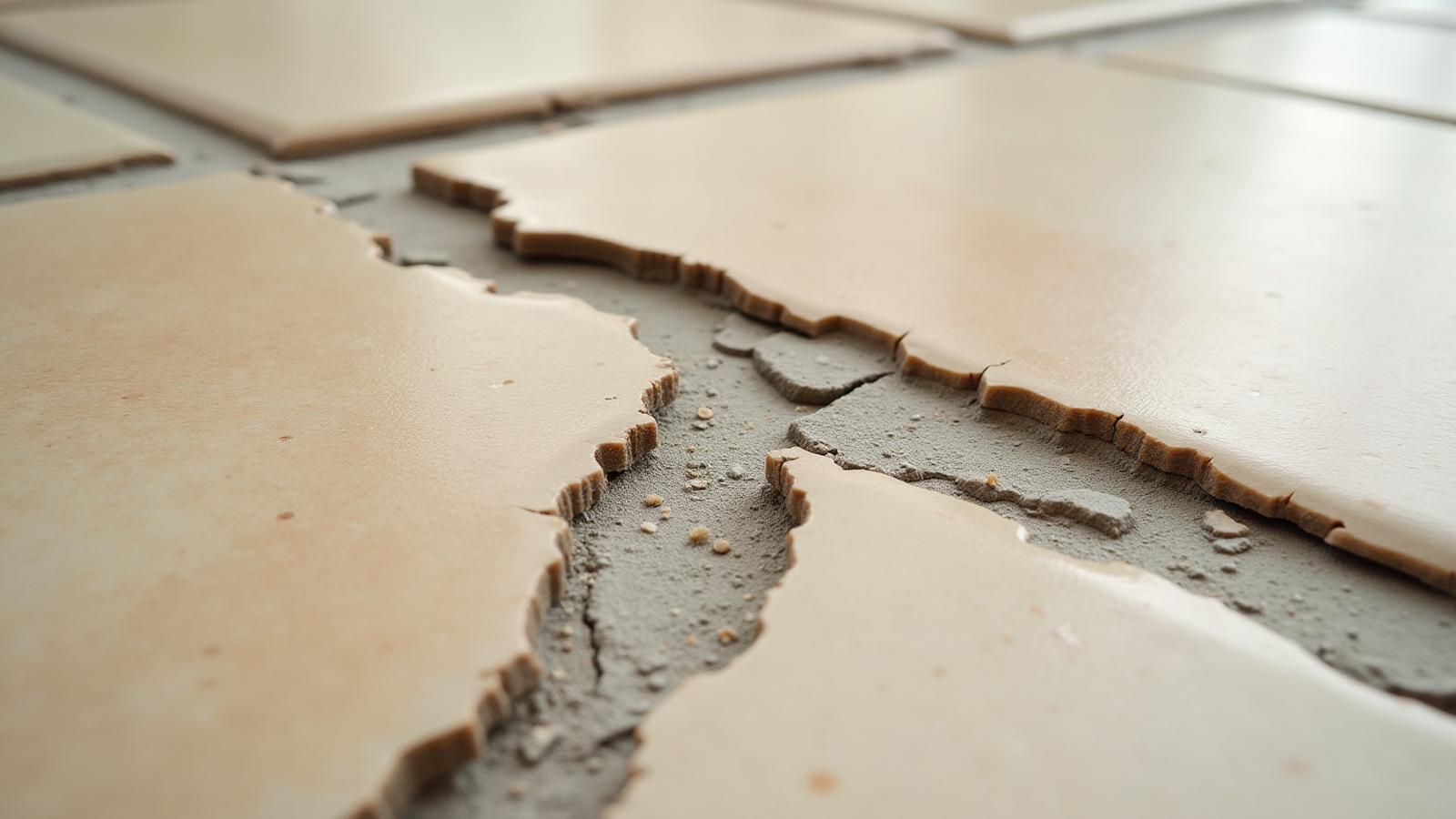
Grout cracking in showers and bathrooms is one of the most common maintenance issues in Australian homes. More importantly, cracked grout is the leading cause of shower leaks — a problem that, if ignored, can cause thousands of dollars in structural damage. Understanding why grout cracks helps you prevent problems and choose better materials for lasting protection.
At Sydney Sealed, we repair hundreds of showers across Sydney every year. In the vast majority of cases, the root cause is failed grout. This article explores the science behind grout failure and equips you with the knowledge to protect your bathroom investment.
Cause 1: Water Absorption and Erosion
Standard cement grout is inherently porous. Every shower exposes it to water, which the grout absorbs like a sponge. This constant wet-dry cycling gradually breaks down the cement binders, causing the grout to soften, crumble, and eventually crack. This is the fundamental weakness of cement-based grout in wet areas, and the primary reason professionals recommend epoxy grout as a superior alternative.
The science is straightforward: cement grout can absorb 10–15% of its weight in water. Each absorption-drying cycle weakens the cement matrix through a process called efflorescence — where dissolved minerals are carried to the surface and deposited as white powder. Over thousands of cycles, the grout literally dissolves from within.
Cause 2: Thermal Cycling
Your shower experiences rapid temperature changes daily — from cold ambient temperatures to hot shower water and steam, then back to cold. This thermal cycling causes tiles and grout to expand and contract at different rates. Over time, these repeated stress cycles create micro-cracks in rigid cement grout that progressively worsen. Epoxy grout, with its inherent flexibility, accommodates these movements far better.
In Sydney, where daily temperature variations can exceed 15–20°C (especially in western suburbs like Penrith and Blacktown), thermal stress on grout is particularly significant. Summer temperatures push bathroom surfaces to extreme highs, while overnight cooling creates contraction forces that rigid cement grout simply can't accommodate.
Cause 3: Building Movement
All buildings move. Ground settlement, wind loading, thermal expansion of the structure, and even vibration from nearby traffic create stress on tiled surfaces. Bathrooms located on upper floors or in buildings with lightweight framing (common in Sydney homes built from the 1960s–1990s) are particularly susceptible to movement-induced grout cracking.
Properties across Sydney — from older homes in Marrickville and Leichhardt to modern builds in Kellyville and Rouse Hill — all experience building movement that affects grout longevity. The degree of movement depends on the building's construction type, foundation conditions, and proximity to sources of vibration.
Cause 4: Chemical Attack
Cleaning products, body care products, and even the minerals in Sydney's tap water gradually attack cement grout. Acidic cleaners are particularly damaging, dissolving the calcium compounds that give cement grout its strength. Bleach-based cleaners, while effective against mould, also degrade cement grout over time.
Common culprits include:
- Acidic bathroom cleaners — products containing hydrochloric, phosphoric, or citric acid dissolve cement compounds
- Bleach-based products — sodium hypochlorite degrades grout binders over repeated use
- Hard water minerals — Sydney's water contains calcium and magnesium that deposit on and within grout, weakening its structure
- Body oils and soap residue — create a film that traps moisture against grout surfaces, accelerating deterioration
Ironically, the products you use to keep your shower clean are often the same products that accelerate grout deterioration — creating a vicious cycle of cleaning, damage, and more cleaning.
Cause 5: Poor Original Installation
Grout that wasn't mixed correctly, applied at the wrong consistency, or not properly cured will fail prematurely. Common installation defects include too much water in the mix (weakens the grout), grout joints that are too shallow (insufficient depth for structural integrity), and failure to properly pack grout into joints. These defects accelerate all other failure mechanisms.
Other installation errors that lead to premature cracking:
- Missing movement joints — without flexible sealant at corners and changes of plane, rigid grout absorbs all movement stress
- Incorrect grout type — using unsanded grout where sanded grout is needed (or vice versa) compromises joint strength
- Insufficient curing time — grout that is exposed to water too soon doesn't develop full strength
- No sealer applied — unsealed cement grout absorbs water even faster, dramatically shortening its lifespan
The Real Cost of Ignoring Cracked Grout
Many homeowners dismiss cracked grout as a cosmetic issue. This is a costly mistake. Here's what happens when cracked shower grout is left unaddressed:
Month 1–3: Water begins seeping through cracks, reaching the substrate behind tiles. You may not notice anything yet.
Month 3–12: Moisture accumulates behind tiles, causing adhesive to weaken. Tiles may begin to sound hollow when tapped. Mould starts growing in hidden areas. The waterproof membrane is under increased stress.
Year 1–3: Persistent moisture saturates timber framing and plasterboard (in showers) or concrete substrate (in balconies). Structural elements begin to deteriorate. You may notice musty smells, peeling paint on adjacent walls, or water stains on ceilings below.
Year 3+: Significant structural damage requiring major remediation. Costs escalate from hundreds of dollars (for simple regrouting) to thousands or tens of thousands for structural repairs.
The bottom line: A $500–$900 epoxy regrouting repair today can prevent $5,000–$20,000+ in structural damage tomorrow. Every week you wait increases the potential cost.
Sydney Climate: Why Grout Fails Faster Here
Sydney's climate creates particularly challenging conditions for cement grout:
High humidity: Sydney's average relative humidity exceeds 65%. In bathrooms, humidity regularly reaches 80–100% during and after showering. This high ambient moisture means grout never fully dries between showers, accelerating the wet-dry degradation cycle.
Temperature swings: Western Sydney suburbs like Penrith, Campbelltown, and Blacktown experience some of the most extreme temperature variations in the metro area — regularly exceeding 40°C in summer and dropping below 5°C in winter. These extremes create severe thermal stress on rigid cement grout.
Coastal salt air: For properties near the coast — Bondi, Manly, Cronulla, Dee Why — salt-laden air penetrates the building envelope and deposits chloride salts on grout surfaces, accelerating chemical degradation.
These factors mean that shower grout in Sydney homes typically deteriorates 20–30% faster than the national average. Regular inspection and proactive maintenance are not optional — they're essential.
The Solution: Professional Epoxy Regrouting
The most effective solution for cracked grout in wet areas is professional epoxy regrouting. This process removes all deteriorated cement grout and replaces it with 100% waterproof epoxy grout that:
- Doesn't absorb water — zero porosity eliminates the primary failure mechanism
- Flexes with building movement — accommodates thermal and structural stress
- Resists chemicals — unaffected by cleaning products and body care products
- Prevents mould — non-porous surface doesn't support mould growth
- Lasts 20+ years — backed by a 10-year warranty
For a comprehensive comparison, read our article on epoxy grout vs cement grout. Ready to fix cracked grout in your shower? Book a free inspection or read our complete guide to leak repairs in Sydney.
Prevention Checklist: Protecting Your Grout
Follow this practical checklist to extend the life of your shower grout:
- ✅ Inspect grout every 6 months — look for cracks, gaps, discolouration, and softening
- ✅ Use a squeegee after every shower — removes standing water from tiles and grout
- ✅ Run the exhaust fan for 15 minutes after showering — reduces humidity and helps grout dry
- ✅ Avoid acidic cleaners — use pH-neutral products designed for tiled surfaces
- ✅ Check silicone seals at corners and junctions — replace if cracked, peeling, or discoloured
- ✅ Don't ignore early signs — small cracks become big problems. Address them promptly.
- ✅ Consider upgrading to epoxy grout — the best prevention is eliminating cement grout entirely
If your grout is already cracked or deteriorating, don't delay. Contact Sydney Sealed for a free inspection. We service all Sydney suburbs and provide honest, transparent advice — whether you need a simple repair or a comprehensive solution.
People Also Ask
Peter Kim
Lead Technician — Leak Repair Specialist
Over 15 years of experience in shower and balcony waterproofing solutions across Greater Sydney.