Key Takeaways
- Professional shower regrouting cost depends on size, grout depth, condition and material
- Epoxy grout costs more upfront but usually lasts longer in wet areas
- A cheap surface skim is not the same as full grout removal and replacement
- Leak-related regrouting should include diagnosis before pricing is final
What This Cost Guide Covers
Regrouting a shower can breathe new life into your bathroom. It's a cost-effective way to refresh the space without a full renovation. But how much does it cost to regrout a shower? Understanding the costs involved is crucial for budgeting your project. Knowing the cost to regrout shower in your area helps set realistic expectations for timing and scope.
The cost to regrout a shower varies based on several factors. These include the size of the shower, the type of grout used, and labour costs. On average, homeowners can expect to spend between $200 and $800. This average cost to regrout a shower can shift with tile layout and accessibility.
Choosing between DIY and professional regrouting can also impact the overall cost. DIY projects may save money but require time and skill. Professional services ensure a durable and aesthetically pleasing finish. For many, comparing the regrout shower price from several pros is the simplest way to estimate overall shower regrouting cost.
Regional variations can affect pricing, with urban areas typically having higher labour costs. In Australia, for example, the cost to regrout a shower can range from AUD 500 to AUD 1,500. If you're wondering how much does it cost to regrout a shower australia or how much to regrout a shower australia, local labour rates and availability largely determine the final figure.
This guide will explore these factors in detail, helping you make an informed decision. Whether you're a homeowner or a DIY enthusiast, understanding the costs of regrouting showers is essential. We'll also touch on shower tile regrouting best practices so you know what to expect.
What Is Shower Regrouting and Why Is It Important?
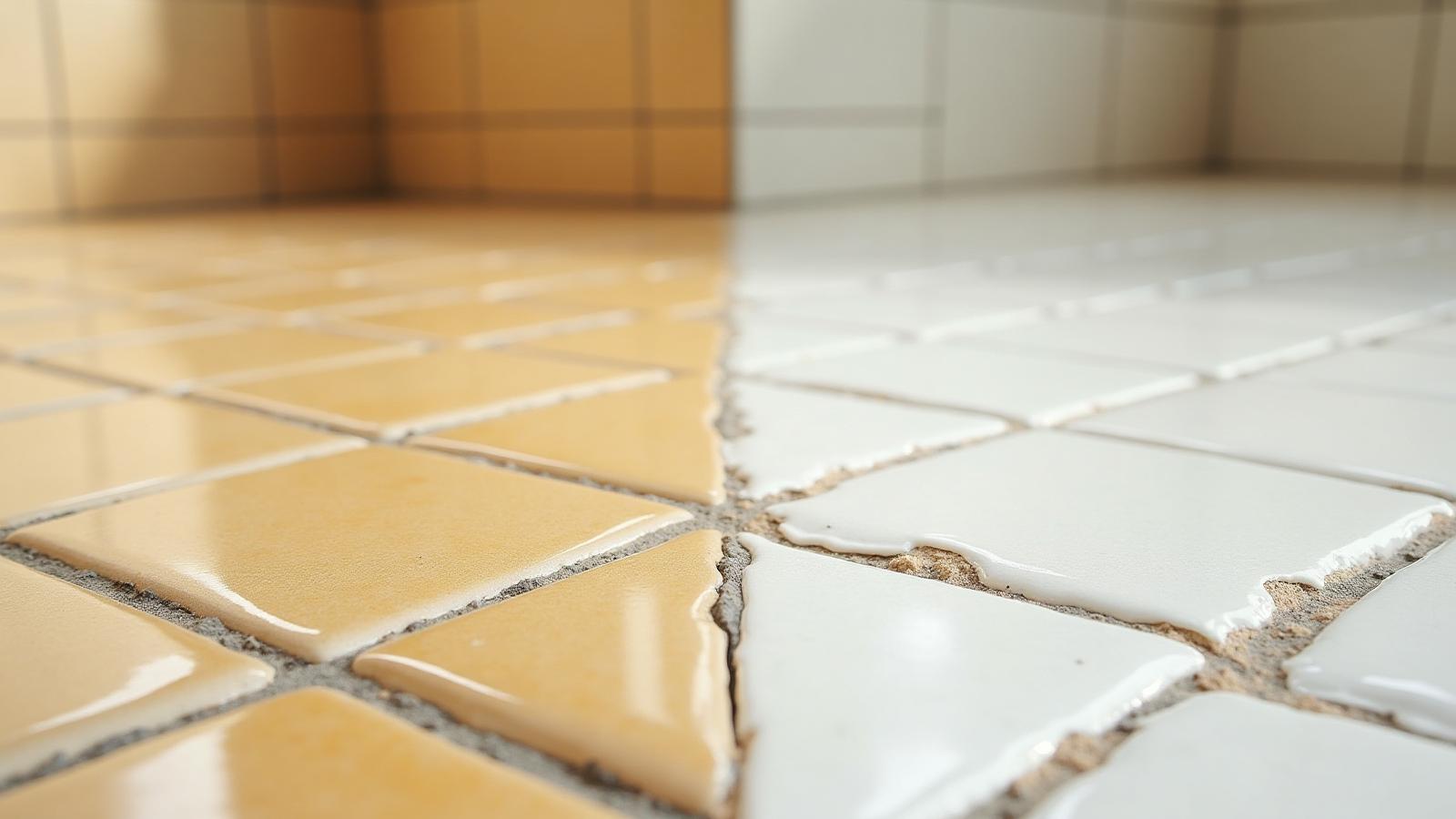
Shower regrouting involves removing old, worn grout and applying new grout between tiles. This process revitalises the look and extends the life of your bathroom. It primarily aims to fill any gaps where grout has cracked or worn away over time. As part of regrouting bathroom tiles, attention to detail helps prevent future issues.
Regrouting is crucial not just for aesthetics but also for hygiene. Old grout can harbour mould and mildew, affecting bathroom hygiene. By sealing these gaps, regrouting helps prevent water damage and potential structural issues.
- Regrouting offers several benefits:
- Enhances appearance and cleanliness
- Prevents mould and mildew buildup
Seals gaps against water penetration
Regular regrouting can significantly extend the lifespan of your tiles. It serves as a preventative maintenance task that prevents more costly repairs down the line.
Sydney Sealed prices leak-related shower regrouting after checking size, condition, access and whether epoxy repair is suitable.
View shower repair pricingKey Factors That Influence the Cost to Regrout a Shower
Several factors can influence the cost to regrout a shower. Understanding these can help you plan your budget effectively.
The size of the shower plays a significant role in determining costs. Larger showers require more materials and labour, increasing the overall price. Additionally, labour costs vary based on the contractor's expertise and regional pricing trends. These variables shape your overall shower regrouting cost.
The type of grout you choose also impacts expenses. Epoxy grout, for instance, is more expensive but provides superior durability and stain resistance. While it demands a higher upfront cost, its long lifespan can lead to future savings.
- Other key factors include:
- Tile condition: Damaged tiles may need repairs before regrouting.
- Grout type: Epoxy vs. cement-based affects cost.
Contractor's experience: More experienced professionals may charge higher rates.
Lastly, the complexity of the tile design can affect costs. Intricate patterns take more time and skill, thus potentially increasing labour expenses.
Average Cost to Regrout a Shower: Price Ranges and Breakdown
Regrouting a shower is an effective way to refresh your bathroom without a full remodel. Understanding the average cost is crucial for budget planning. Typically, the cost to regrout a shower ranges from $200 to $800. However, various elements can influence the final price. This average cost to regrout a shower reflects both materials and labour.
A significant portion of the cost is associated with labour. Contractors usually charge between $10 and $25 per square foot. This range reflects differences in expertise and location. Material costs are relatively lower, often amounting to about 10% of the total expense. Your final regrout shower price will vary based on tile condition and accessibility.
To offer a more detailed breakdown, consider these aspects:
- Labour costs: Major portion of total expense.
- Material costs: Types of grout and additional materials.
- Project complexity: Special designs or tile patterns.
It's worth noting that larger showers with extensive tiling can lead to higher costs. The type of grout you select also plays a role. Epoxy grout, though pricier, offers added benefits that might justify the investment.
Cost to Regrout Shower Floor vs. Walls
When regrouting your shower, the floor and walls can present different challenges. Each area has unique requirements and costs. In many homes, the cost to regrout shower floor can differ slightly from wall sections due to tile size and grout line density.
Regrouting a shower floor often requires more precision due to smaller tiles and tighter grout lines. This can increase labour costs compared to walls. Also, the potential for water damage is higher on floors, complicating the process.
On the other hand, regrouting shower walls might require climbing, which can add to labour charges. Here's a quick comparison:
- Floor regrouting: Precision work, more prone to water issues.
- Wall regrouting: Labour-intensive due to height.
- Material usage: Depends on tile size and grout line width.
Understanding these differences helps prepare for your regrouting project, ensuring a fair cost evaluation.
Material Costs: Types of Grout and Their Impact on Price
The type of grout you choose can significantly affect the overall cost of regrouting your shower. For shower tile regrouting, different grouts come with varying price tags and benefits.
Cement-based grout is the most common and budget-friendly option. However, it may require more maintenance over time. Epoxy grout, although more expensive, offers superior durability and resistance to stains, making it a popular choice despite its higher cost.
When selecting grout, consider the following factors:
- Durability: Longer-lasting grouts may cost more initially.
- Maintenance: Low-maintenance grouts might save money in the long run.
- Aesthetic: Choose colours and finishes that complement your bathroom.
Proper selection of grout ensures both functionality and aesthetic appeal, contributing to an effective regrouting project.
Labour Costs: DIY vs. Professional Regrouting
Choosing between DIY and professional services can significantly impact labour costs when regrouting. Each option has its own advantages and considerations.
Hiring a professional ensures expertise and a quality finish. Professional labour costs often range from $10 to $25 per square foot. This may seem steep, but the peace of mind and superior results are often worth the investment.
Opting for a DIY approach can save on labour expenses, but it demands time and precision. Novices may struggle to achieve a clean, uniform application. If you're calculating how much to regrout shower on your own, remember to factor in tools and potential rework.
- Consider these points when deciding:
- Skill Level: Assess your ability to handle the project.
- Time: Professional services are faster.
- Quality: Pros guarantee a polished outcome.
Before choosing, weigh the potential savings against the likely results. Professional regrouting can often be more cost-effective in the long run. Whether you go DIY or hire an expert, ensuring a successful regrout can refresh your bathroom beautifully.
Regional Price Variations: Australia and Beyond
Regrouting costs fluctuate based on regional factors like labour rates and material availability. Urban areas often have higher prices due to increased demand and cost of living.
In Australia, the cost to regrout a shower can range from AUD 500 to AUD 1,500. Comparatively, prices in the United States typically span from USD 200 to USD 800. Local economy and contractor availability significantly impact these variations. These ranges answer common questions like how much does it cost to regrout a shower and what the cost of regrouting looks like in different markets.
- Consider regional differences when budgeting:
- Labour Rates: Can significantly differ by location.
- Material Costs: Availability affects price.
- Contractor Demand: High demand may increase prices.
Understanding these factors helps homeowners plan effectively, avoiding unexpected expenses in various locales.
Signs Your Shower Needs Regrouting
Knowing when to regrout a shower can prevent bigger issues. Look for visible signs that indicate the need for fresh grout.
- Common signs include:
- Cracked or Missing Grout: Leads to potential water damage.
- Discolouration: Suggests mould or mildew growth.
- Loose Tiles: Often caused by deteriorating grout.
These issues can compromise the shower's integrity and hygiene. Addressing them early maintains your bathroom's appearance and function.
The Regrouting Process: Step-by-Step Overview
Regrouting a shower requires care and patience. This process involves several critical steps.
First, remove the old grout carefully. Use a grout saw or a similar tool to scrape it out completely.
Next, clean the gaps between tiles thoroughly. This ensures the new grout adheres properly to the surfaces.
- Apply new grout using a rubber float. Press it firmly into the spaces between the tiles.
Finally, wipe away excess grout with a damp sponge. Allow it to dry, then apply a sealer to protect your work.
- Remove old grout
- Clean tile gaps
- Apply new grout
- Remove excess and seal
These steps ensure a durable and fresh-looking shower.
Additional Costs and Considerations
When planning to regrout your shower, consider potential additional costs. These can include tile repairs or replacement if damage is discovered.
Some contractors may offer cleaning and sealing services, enhancing the longevity of the regrout. These extras can add to the base price, but they often provide long-term benefits and reduce the overall cost of regrouting over time.
- Tile repairs or replacement
- Cleaning and sealing services
- Specialist equipment rentals
These additional services can be worthwhile investments. They help maintain the beauty and functionality of your shower over time.
Tips to Save Money on Shower Regrouting
Regrouting a shower doesn't have to break the bank. To manage costs, consider doing some tasks yourself, like grout removal or sealing.
Another cost-saving approach is to gather multiple quotes from contractors to ensure competitive pricing. This can help you find the best deal.
- DIY tasks like grout removal
- Get multiple contractor quotes
- Choose a less expensive grout type
These strategies can significantly reduce regrouting expenses while still achieving a refreshed bathroom look.
Frequently Asked Questions About Shower Regrouting Costs
Many homeowners wonder how often showers need regrouting. Typically, grout lasts 8 to 15 years, depending on its maintenance.
Another common question is whether hiring a professional is necessary. While DIY can save money, professionals often provide better and longer-lasting results.
- Here are some frequently asked questions:
How long does grout last?
Should I hire a professional?
What affects regrouting costs?
What is the average cost to regrout a shower?
How much does it cost to regrout a shower?
What is the cost to regrout shower in Australia?
How much to regrout shower?
Each of these considerations plays a role in helping you make informed decisions about your shower maintenance and budget.
Conclusion: Is Regrouting Worth the Investment?
Regrouting can rejuvenate a bathroom's look without the expense of a full renovation. Beyond aesthetics, it prevents costly water damage and enhances hygiene.
While the cost varies, regrouting is a wise investment for maintaining and enhancing a home's value. Despite the cost of regrouting, balancing longevity and appearance offers significant long-term benefits for any homeowner.
People Also Ask
Peter Kim
Lead Technician — Leak Repair Specialist
Over 15 years of experience in shower and balcony waterproofing solutions across Greater Sydney.