Key Takeaways
- Grout replacement is the most common and cost-effective repair for leaking showers in Sydney
- Signs you need grout replacement include crumbling, discolouration, gaps, and persistent mould
- Upgrading from cement to epoxy grout during replacement provides permanent waterproofing
- Professional grout replacement for a standard shower typically costs $500–$900 in Sydney
When Is Grout Replacement Needed?
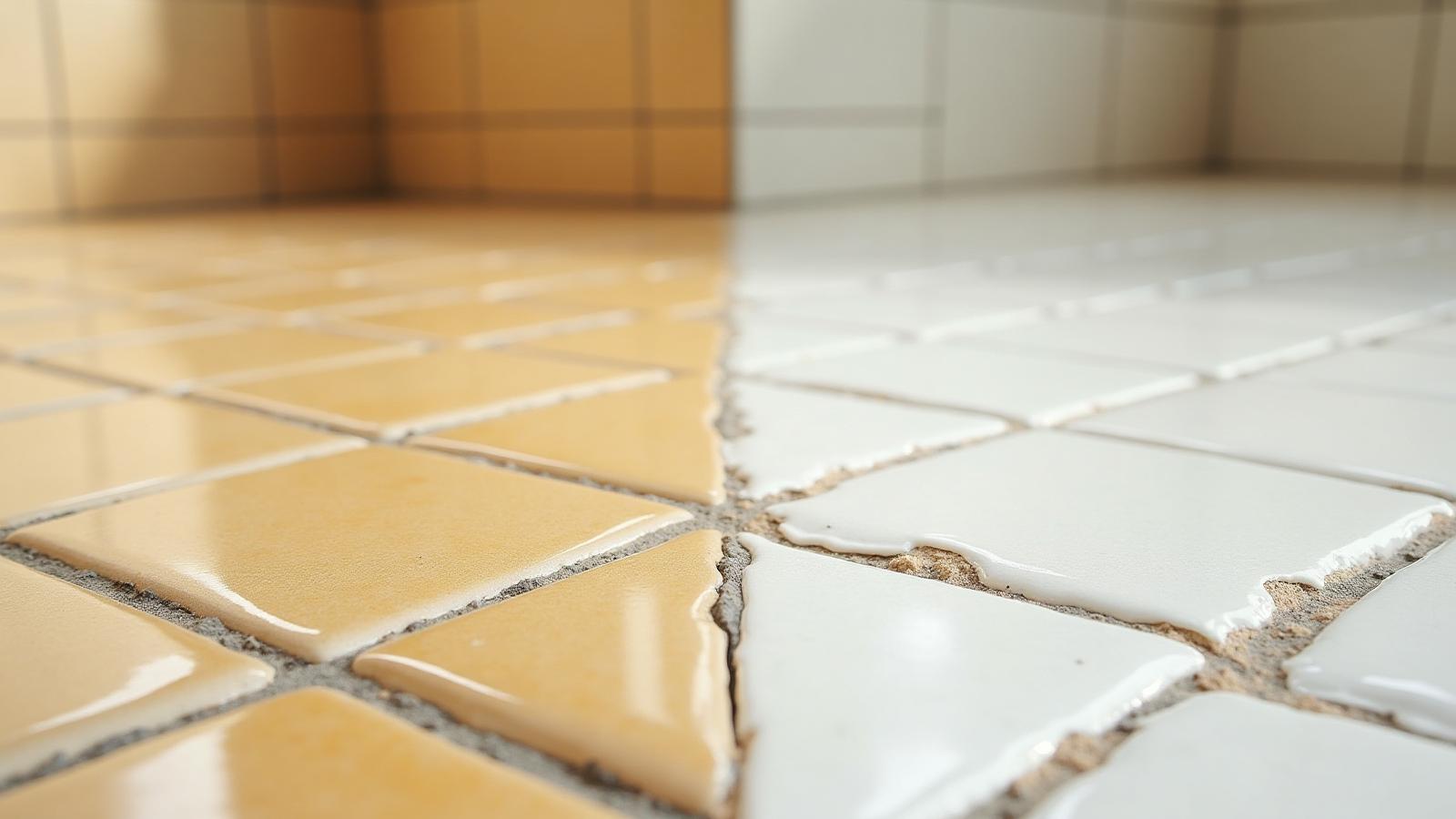
Grout replacement becomes necessary when your existing grout has deteriorated to the point where it can no longer provide a functional seal between tiles. Common indicators include visible cracking, crumbling, gaps between tiles, persistent staining, and evidence of water penetration behind tiles.
Understanding what causes grout to crack helps you make informed decisions about replacement timing and material choice.
Don't wait until you have visible water damage before replacing grout. By the time stains appear on ceilings or walls below, significant hidden damage may have already occurred. Proactive grout replacement when you first notice deterioration is always the most cost-effective approach.
Grout Replacement Options Compared
When replacing grout, you have two main options:
Cement Grout Replacement
Replacing old cement grout with new cement grout. Lower upfront cost ($300–$500 for a shower) but the same material weaknesses remain — porosity, susceptibility to cracking, and limited lifespan of 5–10 years.
Epoxy Grout Replacement (Recommended)
Replacing old cement grout with premium epoxy grout. Higher upfront cost ($500–$900 for a shower) but vastly superior performance — 100% waterproof, mould-resistant, and a lifespan of 20+ years with a 10-year warranty.
For wet areas like showers, epoxy grout replacement is the professional recommendation. The modest additional cost delivers dramatically better long-term value and waterproofing performance.
Cost Comparison: Cement vs Epoxy Over 20 Years
To truly understand the value proposition, let's compare total costs over a 20-year period for a standard shower:
| Cost Factor | Cement Grout | Epoxy Grout |
|---|---|---|
| Initial regrouting | $400 | $700 |
| Second replacement (year 7) | $400 | Not needed |
| Third replacement (year 14) | $400 | Not needed |
| Risk of water damage repair | $3,000–$10,000 | Minimal |
| Total 20-year cost | $1,200–$11,200 | $700 |
Even without water damage, cement grout costs $1,200 vs $700 for epoxy. When you factor in the significant risk of water damage from failed cement grout, the economic case for epoxy is overwhelming.
The Grout Replacement Process
Professional grout replacement (whether cement or epoxy) follows these steps:
- Inspection — assess grout condition, tile condition, and check for underlying issues (membrane failure, substrate damage)
- Area preparation — protect fixtures, surfaces, and adjacent areas from dust and debris
- Grout removal — existing grout is removed using precision oscillating tools. For epoxy replacement, all grout must be removed to full depth for proper bonding.
- Surface cleaning — tile edges and joints are cleaned of all residue, dust, and contaminants
- New grout application — the chosen grout is mixed and carefully applied, ensuring full joint coverage
- Finishing — joints are tooled to a clean, consistent profile
- Silicone replacement — all silicone at junctions and corners is replaced
- Cleanup and curing guidance — the area is cleaned and you're advised on curing requirements
The process is the same whether you choose cement or epoxy grout — the difference is in the material's long-term performance. Read our detailed epoxy regrouting guide for more information.
Suburb-Specific Advice for Sydney Homeowners
While grout deterioration affects all Sydney properties, certain areas face specific challenges:
Coastal suburbs (Bondi, Manly, Cronulla, Dee Why): Salt air accelerates grout degradation. Cement grout in coastal properties may deteriorate 30–40% faster than inland properties. Epoxy grout is especially recommended for its chemical resistance.
Western Sydney (Penrith, Blacktown, Campbelltown): Extreme temperature variations (the highest in metro Sydney) create severe thermal stress on rigid cement grout. Epoxy's flexibility is particularly valuable here.
Inner city apartments (Surry Hills, Marrickville, Newtown): Older apartment buildings often have lightweight construction that experiences more building movement, accelerating grout cracking. Plus, inter-unit leaks are a major concern in strata settings.
North Shore (Chatswood, Mosman, Ryde): Many homes and apartments in this area were built in the 1970s–1990s, meaning original cement grout is now 25–50 years old. Replacement is not a matter of "if" but "when".
Wherever you are in Sydney, we provide the same high-quality service with free inspections and transparent pricing.
Signs It's Time to Replace Your Grout (With Photos Guide)
Here's a detailed guide to recognising grout that needs replacement:
Stage 1 — Surface discolouration: Grout that was once white or light-coloured has turned grey, brown, or black despite cleaning. This indicates deep-seated contamination within the porous cement grout. Action: Monitor closely; consider sealing or scheduling replacement.
Stage 2 — Hairline cracking: Fine cracks are visible in grout lines, particularly at corners and where walls meet the floor. Water has begun to penetrate through these cracks. Action: Schedule replacement before damage progresses.
Stage 3 — Crumbling and gaps: Grout is soft, powdery, or has fallen out entirely in places, leaving visible gaps between tiles. Water is freely entering behind tiles. Action: Urgent replacement needed.
Stage 4 — Tile debonding: Tiles feel loose or sound hollow when tapped. Moisture behind the tiles has compromised the adhesive. Action: Immediate professional inspection. Membrane damage is likely.
The earlier you catch deterioration, the simpler and cheaper the repair. Stage 1–2 issues can usually be resolved with epoxy regrouting alone. Stage 3–4 may require additional membrane work.
Finding a Grout Replacement Specialist in Sydney
When choosing a grout replacement specialist, look for:
- Experience with epoxy grout application (it requires specialist skills)
- Written warranty on workmanship and materials
- Free inspection and transparent quoting
- Positive reviews and references
- Proper licensing and insurance
- Diagnostic capability — they should assess the overall waterproofing situation, not just the grout
We provide professional grout replacement services across all Sydney suburbs from Manly to Campbelltown, Bondi to Penrith. Contact us for a free inspection and quote. For more on protecting your property, read our complete guide to leak repairs.
People Also Ask
Peter Kim
Lead Technician — Leak Repair Specialist
Over 15 years of experience in shower and balcony waterproofing solutions across Greater Sydney.