Key Takeaways
- Persistent black mould can mean water is trapped below the visible seal
- Cracked or missing caulk gives water direct access behind tiles and screens
- Damp ceilings below a shower are late-stage warning signs
- Professional diagnosis prevents paying for a reseal when membrane or plumbing work is needed
Why Shower Leak Warning Signs Matter
Your bathroom is supposed to be a sanctuary - a place to unwind, refresh, and wash away the stress of the day. But behind the beautiful tiles and sleek fixtures, a silent threat could be compromising your home's structural integrity: water damage.
Water is a relentless force. Even a tiny, barely visible breach in your shower's defences can lead to structural rot, costly renovations, and serious health hazards. That is why preventing bathroom water damage should be a top priority for any homeowner. The key to prevention is knowing exactly what to look for and acting quickly when you spot the first signs of trouble. When in doubt, book a trusted leaking shower repair service to assess issues early and prevent costly damage.
Whether you need a minor touch-up or comprehensive shower repair, recognising the red flags early can save you thousands of dollars. Here are the top signs that your shower needs professional attention, along with expert insights into fixing the problem for good.
Visual and Olfactory Signs of Failing Bathroom Seals
The most obvious indicators that you need a bathroom sealing service usually appear right before your eyes - or nose. Pay close attention to these common warning signs.
Persistent Mould and Mildew
A little bit of pink mildew in the corner of the shower might just mean you need to clean more often. However, if you are constantly scrubbing black mould out of the corners, and it keeps returning, you have a moisture problem. Deeply ingrained mould indicates that water has penetrated beneath the surface.
Removing black mould from shower joints isn't just about aesthetics; it is a critical health measure. Mould spores can exacerbate asthma and allergies. By addressing the root cause of the moisture buildup and investing in new seals, you are actively improving bathroom hygiene with new seals.
- Peeling, Cracking, or Missing Caulk
One of the most obvious signs of failing bathroom seals is the physical deterioration of the sealant itself. Over time, daily exposure to hot water, soap scum, and chemical cleaners causes caulk to dry out, shrink, and crack.
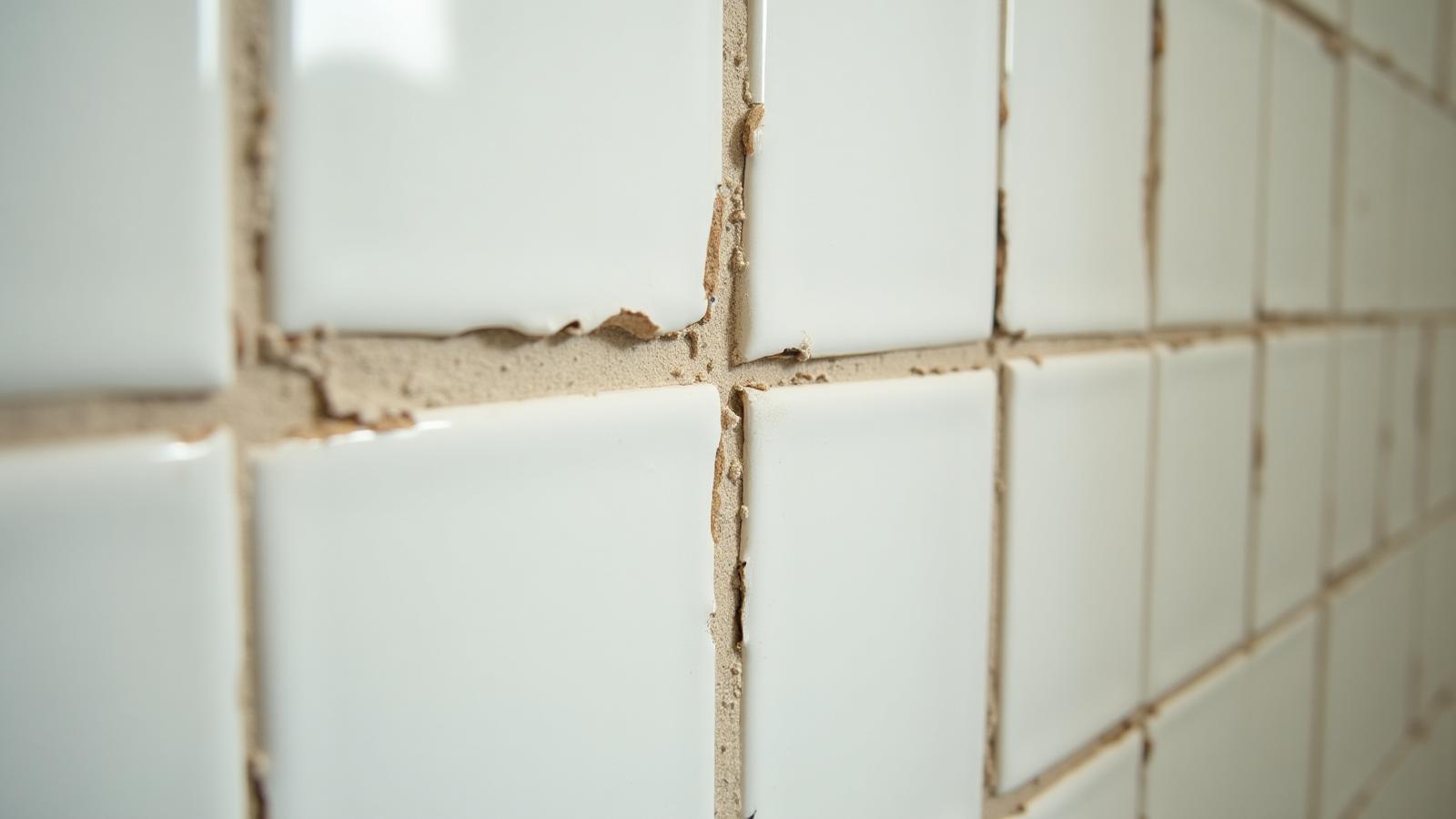
Knowing when to replace bathroom caulk is simple: if it is peeling away from the wall, looks rigid and cracked, or has missing chunks, it is time for a replacement. Even a millimeter-wide gap is enough for water to seep behind your tiles and into your wall cavities.
Mould, cracked silicone, swollen skirting and ceiling stains together usually mean the shower needs diagnosis, not another surface patch.
Fix a leaking showerThe Hidden Dangers: Subsurface Leaks and Structural Damage
Not all signs of a failing shower are immediately visible inside the cubicle. Sometimes, the damage is happening behind the walls or under the floorboards.
Spongy Floors and Peeling Paint
If the floor outside your shower feels soft or spongy, or if you notice the paint bubbling and peeling on the wall adjoining the bathroom, you likely have a hidden leak. Identifying sources of subsurface leaks can be tricky without professional tools like thermal imaging cameras or moisture meters. However, damp patches on the ceiling of the room directly below your bathroom are a dead giveaway that you need immediate bathroom leakage repair.
Water Pooling and Tray Issues
Does water tend to pool awkwardly in the corners of your shower instead of draining away? This can happen when the shower base shifts or settles over time, stressing the joints. Fixing leaking shower tray corners is critical. If left unchecked, the water will eventually find its way through the micro-cracks. Professional leaking shower base repairs are often required to realign the tray, reinforce the joints, and ensure proper drainage, stopping the damage in its tracks.
Professional Solutions: Why Call a Shower Leak Specialist?
When confronted with a leaky shower, many homeowners are tempted to grab a tube of cheap sealant from the local hardware store and smear it over the old, cracked caulk. This is a temporary band-aid that usually makes the underlying problem worse by trapping moisture inside the walls.
To properly address a shower leak repair , you need the expertise of a shower leak specialist. Here is why professional intervention matters.
Choosing the Right Materials: The Science of Sealing
A professional will understand the nuances of the materials required to keep your bathroom watertight. For instance, understanding the difference between silicone vs grout for wet areas is crucial. Grout is porous and used strictly for filling the spaces between tiles. It relies on a waterproofing membrane underneath to stop water. Silicone, on the other hand, is flexible and waterproof, making it the only suitable material for expansion joints (where walls meet floors or other walls).
Furthermore, a professional will use high-quality sanitary grade silicone . But did you know there are different types of silicone? A specialist knows the difference between acetoxy vs neutral cure sealants.
Acetoxy sealants release acetic acid as they cure (giving off a strong vinegar smell). They cure quickly and are great for non-porous surfaces like glass, but they can corrode certain metals and natural stones.
Neutral cure sealants are virtually odourless, offer excellent adhesion to a wider variety of surfaces (including masonry and plastics), and are highly durable, making them the preferred choice for complex bathroom environments.
The Step-by-Step Bathtub Recaulking Process
When a professional provides a shower restoration , they follow a strict, methodical approach to ensure the repair lasts. The proper step-by-step bathtub recaulking process includes:
- Complete Removal: Carefully scraping away every trace of the old, degraded sealant using specialist tools to avoid scratching the tub or tiles.
- Deep Cleaning and Sanitising: Using industrial-grade solvents to remove soap scum, body oils, and mould.
- Drying: The area must be bone dry before new sealant is applied, often requiring heat guns.
- Application: Applying the new sealant smoothly and evenly.
- Tooling: Using a specialist tool to create a perfect, concave seal that sheds water efficiently.
Grout and Waterproofing Maintenance
If your leak stems from deteriorating tile joints, a specialist will use professional grout restoration techniques , which involve grinding out the old, porous grout and replacing it with a specialist epoxy or heavily fortified cementitious grout. They will also assess the state of your moisture-resistant bathroom waterproofing membrane - the invisible barrier behind your tiles that acts as the ultimate defence against structural water damage.
Expert Services in Your Area: Why Local Knowledge Matters
If you are dealing with these issues in New South Wales, the climate and local building standards play a huge role in how your bathroom ages. High humidity can accelerate mould growth and sealant degradation.
If you are looking for shower repair Sydney , it is vital to choose a contractor who understands these local nuances. Whether you need comprehensive bathroom leak repair Sydney or highly targeted leaking shower repairs Sydney, engaging a local expert ensures the job complies with Australian waterproofing standards (AS3740).
Don't wait until a small drip turns into a collapsed ceiling. If you find yourself searching for "licensed shower sealing near me ," make sure you vet the professionals thoroughly. Look for companies that specialise specifically in bathroom leak repair rather than general handymen, as wet-area waterproofing requires specialist licensing and guarantees.
Maintenance and Longevity: Keeping Your Shower Watertight
Once your shower has been professionally repaired and sealed, you likely have one main question: how long does shower sealant last?
Under ideal conditions, high-quality, professionally applied silicone sealant can last anywhere from 5 to 10 years. However, its lifespan depends heavily on your bathroom's ventilation and your cleaning habits.
To maximise the life of your new seals, keep these tips in mind:
- Ventilate: Always run an exhaust fan during and for at least 30 minutes after your shower to reduce humidity.
- Squeegee: Wipe down your shower glass and tiles after use to prevent water from sitting on the silicone joints.
Clean Gently: Avoid harsh, abrasive scrubbers or highly acidic chemical cleaners that can degrade silicone. Opt for mild, pH-neutral bathroom cleaners.
Conclusion
A leaking shower is not a problem that will fix itself, nor is it a problem that should be ignored. From peeling caulk and stubborn black mould to spongy floorboards and pooling water, the signs of failing seals are clear if you know what to look for.
People Also Ask
Peter Kim
Lead Technician — Leak Repair Specialist
Over 15 years of experience in shower and balcony waterproofing solutions across Greater Sydney.